
Growing for a changing climate: the UK allotmenteers future-proofing food
The National Allotment Society (NAS), the UK’s leading representative for allotment holders with its headquarters in Corby, is marking UN World Food Day today (Friday 16th October) by celebrating the ingenuity of UK plot holders who are finding practical ways to adapt to climate change, protect natural resources and future-proof home-grown food.
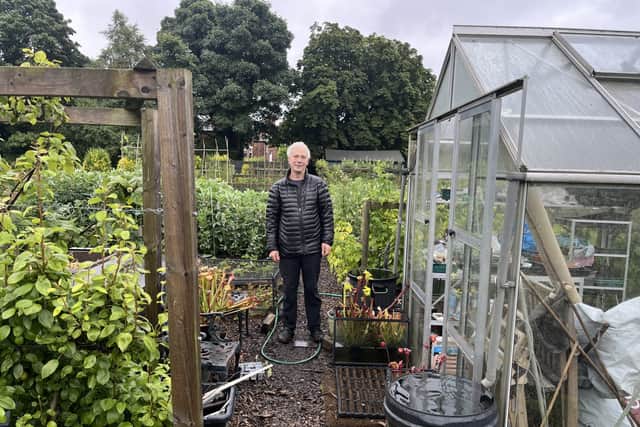

From conserving water and building healthier soils, to embracing sustainable growing methods, allotment holders across the UK are demonstrating how climate-smart gardening can make a meaningful contribution to food security, environmental sustainability and community resilience.
Among those tackling unpredictable weather, including heavy rainfall and prolonged dry spells, is Russell Attwood, a Kettering allotmenteer whose approach to growing reflects the importance of adapting traditional gardening techniques to the challenges that climate change brings.
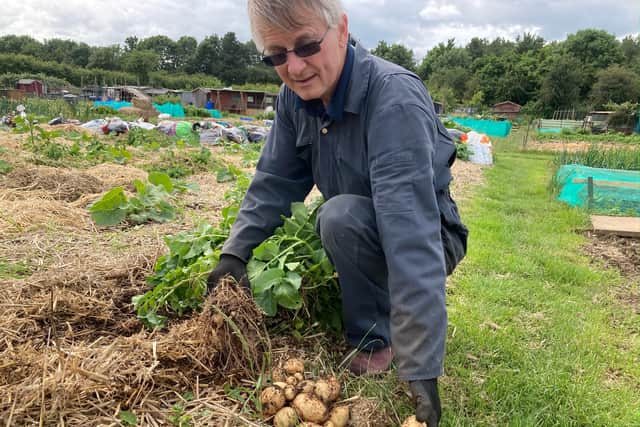
As a NAS member for more than 20 years and the secretary of the Kettering Allotment Society representing 600 members, Russell is also the East Midlands deputy regional representative for NAS, and for the last decade has been tackling rising allotment temperatures and heavy rainfall by adopting a ‘no dig and no water’ policy.
His dual policy means that he uses rainwater to hydrate his ground crops, harvesting this from shed roofs into around ten barrels. He also advocates for mulching of the soil, which provides a protective layer of organic material to protect the soil from extremes of weather: “Adding two inches of mulch on your top soil and keeping it topped all year round will keep the moisture in and help avoid the problems that droughts and deluges of rain bring to allotments,” explains Russell.
The biggest challenge that Russell says allotmenteers have is mindset: “I think what needs to change most is the fixed attitude that we have in using mains water on our allotments. We need to change our practices to adapt, whether that’s by growing different crops in different ways or utilising natural rain water, rather than using mains water on our allotments.
“Using a water butt doesn’t use any carbon miles and can actually help to reduce flash flooding on the allotment.”
Northern NAS representative, Guy Herzmark, and Chair of the West Jesmond Allotment since 2004, has also adapted his growing methods to changing weather conditions. On his Newcastle allotment, he uses raised beds and a no-dig approach, adding organic matter to the soil surface each year to improve soil health, retain moisture for longer and help crops cope with both heavy winter rainfall and increasingly dry summers.
Looking ahead, Guy expects the North East to experience more dry summers, as well as new pests moving north as temperatures rise. To combat the effects, he says growers may need to combine moisture-rich soil with shading and crop protection, while eventually choosing different plant varieties. He advises that every allotment site should collect rainwater and, if mains-water costs rise, suggests using larger cisterns to store winter rainfall.
“Warmer conditions are already helping crops such as tomatoes, cucumbers, aubergines and peppers,” comments Guy. “I love lots of things about the allotment and enjoy solving problems more widely on the site, such as negotiating leases with our landlords and raising money for projects. However, allotments must continue to adapt if they are to sustain local food production in a changing climate.”
Commenting on the important role that allotments play in enabling people to produce fresh fruit and vegetables locally, Sonia Gallagher, National Secretary and General Manager at NAS, said: “Allotments make a valuable contribution by enabling people to diversify their diets and reduce their dependence on purchased produce.
“As the climate continues to change, allotments offer a practical demonstration of how local action, shared knowledge and a closer connection to food production can contribute to a more resilient future. On UN World Food Day we encourage plot holders to use this day as an opportunity to review their growing practices and consider what they can do to prepare for future seasons.”
To find out more about the NAS, visit https://thenas.org.uk/