
Wellingborough swans' deaths confirmed as deadly avian bird flu after carcasses found in River Nene
Avian Flu has been confirmed in four wild birds in North Northamptonshire, according to the latest government surveillance report.
Members of the public have reported seeing up to 16 swans’ bodies River Nene along the Embankment – they have notified the authorities.
Figures issued by the Department for Environment, Food and Rural Affairs (Defra) on Friday (October 24) show four Mute Swans were found with the H5N11 virus – commonly know as bird flu.
Two Canada Geese have also been confirmed to have been found dead with H5N11 virus in North Northamptonshire.
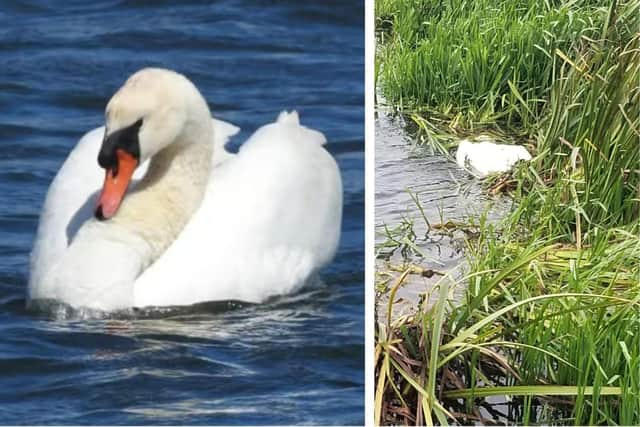

They are the first officially confirmed cases in Northamptonshire this year. The last confirmed case was in the first week of 2024 in Long Buckby, when a Whooper Swan was found with H5N1 HPAI1. In November 2022, there were outbreaks in commercial flocks in the county.
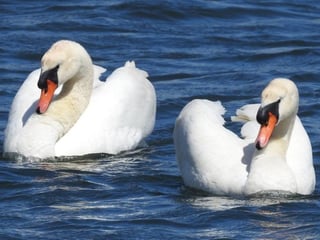
Rescue organisation MK Swan Rescue team issued a warning to people walking along the bank or using the river has ask people to stay alert.
A spokesman for the group said: “Avian Influenza (bird flu) has now been confirmed in wild swans and geese at Wellingborough Embankment and in other locations around Northampton.
“Sadly, Avian Influenza never disappears completely, and it has now resurfaced here in our local area, affecting our water birds once again.
“Please help us protect the swans and geese in these areas by staying alert and acting responsibly.”
Anyone who comes across sick or dead birds, has been advised do not touch or move them.
Typical signs of bird flu include swollen head or eyes, twisted or kinked neck, drooping wings, loss of balance or coordination, green diarrhoea, gurgling or laboured breathing, or sudden collapse.
Some swans may carry the virus without visible symptoms. Bird flu mainly affects swans, geese, seabirds and birds of prey, though domestic poultry can also become infected. Smaller garden birds are rarely affected.
MK Swan Rescue said: “After visiting parks, lakes or rivers, always clean and disinfect your footwear and vehicle tyres to avoid carrying infection between sites. Keep dogs on a lead and away from wild birds and carcasses at all times.
“If you keep pet birds, chickens, ducks or other domestic poultry, take extra care after visiting areas with wild birds. Disinfect footwear and wash your hands before handling your own birds, as Avian Influenza can spread from wild to domestic flocks.
"Wild birds including waterfowl are often more resistant to avian influenza than domestic birds, and can carry and transmit the virus without showing evidence of disease.”
They have explained why wildlife rescue centres are unable to take in birds showing symptoms of bird flu.
Thee spokesman said: “This is to protect other birds already in care and to prevent a Defra-ordered cull should infection spread within a facility.
"Please do not judge or criticise rescues for not attending suspected bird flu cases. It isn’t that rescues don’t want to help, seeing so many birds suffering is heart breaking as we know many of the affected birds personally, but we simply cannot risk spreading the virus to the healthy birds already in care or to the many other sites we cover.”
Any dead wild waterfowl – swans, geese or ducks – or other dead wild birds, such as gulls or birds of prey, should be reported to the Defra helpline on 03459 33 55 77.