
Fly-tipping incidents recorded in North Northamptonshire increased by nearly 25 per cent in past year
The number of fly-tipping incidents recorded in North Northamptonshire has increased by nearly 25 per cent in the past year, according to new data seen by the LDRS.
This comes as the council has said it is tackling the offence with ongoing targeted activity in known hotspots and raising awareness among residents on how to properly dispose of waste.
There were 8,330 fly-tips recorded by the council across the whole area between July 1, 2025, and June 30, 2026, compared to 6,676 the year prior.
A North Northants spokesman said they believe the increase is partly linked to improved reporting and response processes and that the number of fines they have issued for the criminal offence has also increased at the same time.

According to the data gathered through a Freedom of Information request, North Northamptonshire has dealt with an average of 22 illegal waste dumps every day over the 12 months.
NNC also revealed the streets with the highest number of council reports of fly-tipping between July 2025 to the end of June 2026. These were:
- Wood Street, Kettering – 74 incidents
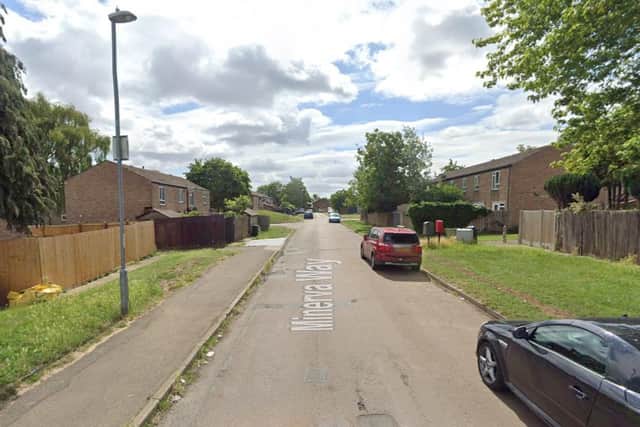
- Minerva Way, Wellingborough – 60
- Newcomen Road, Wellingborough – 56
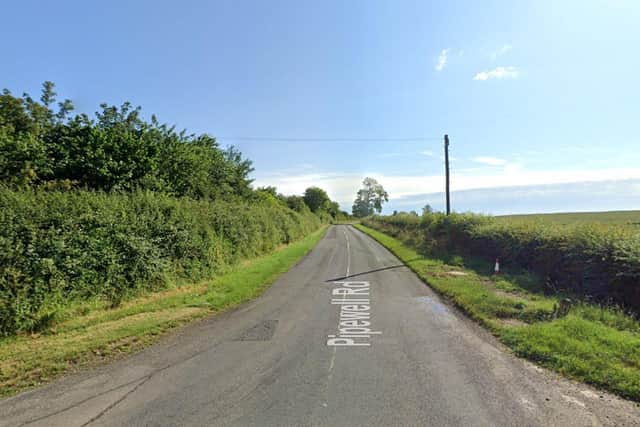
- Pipewell Road, East Carlton – 55
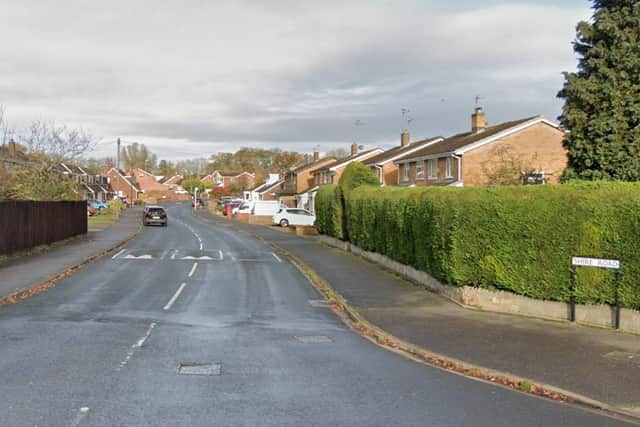
- Shire Road, Corby – 53
In 2025, the council issued 96 Fixed Penalty Notices for fly-tipping. This year, it has already issued 101 Fixed Penalty Notices, with over four months still to go.
A spokesman said this ‘demonstrates the improvements made in reporting, investigation and responses’.
They said: “We believe the increase in recorded fly-tipping incidents can be partly linked to improved reporting and response processes, which is resulting in more incidents being identified and captured than previously.
“However, fly-tipping remains an issue across North Northamptonshire with reported incidents varying significantly in scale, ranging from large-scale waste deposits to household waste left alongside communal bins and collection points.
“Officers continue to focus on a balanced response, combining enforcement where necessary with education. This includes ongoing targeted activity in known hotspots, working with partners and raising awareness amongst residents on how to dispose of waste.
“We are working to develop a more intelligence-led approach to environmental crime, including greater use of data analysis and technology that could support both prevention and enforcement activity.
“As a council actively tackling environmental crime, we also intend to contribute evidence and operational experience to the Government’s consultation on additional powers for local authorities to address fly-tipping offences.”