
Court bans Northampton driver caught speeding FIVE TIMES in 34 days on same stretch of A14

Northampton magistrates banned a careless driver who was caught speeding on the same stretch of road FIVE TIMES in just over a month.
According to court documents, Thomas McKeeman, aged 40, of Laceby Walk, Northampton, first contravened a temporary 40mph limit driving a BMW 116i ES on the A14 heading eastbound between Barton Seagrave and Thrapston at 8:46am on December 8, 2025. Enforcement cameras clocked him at an average of 46mph.
On December 21, McKeeman was again caught driving at an average 46mph at 10:05am on the same stretch of road. The following day, December 22, his average speed was recorded at 47mph at 8:26pm and on December 24 cameras clocked him at an average of 53mph at 6:46am.
At a hearing in Northampton on August 12. McKeeman also admitted a fifth charge of exceeding 40mph in contravention of a temporary maximum speed restriction imposed by a local traffic order on January 10, 2026, averaging 49mph at 11:06am.
Each speeding offence carries an automatic three penalty points. Accumulating 12 points over a three-year period triggers a minimum six-month driving disqualification under the ‘totting up’ procedure. McKeeman was banned from driving for six months and fined a total of £500 — £100 for each offence — and ordered to pay a £150 contribution towards prosecution costs.
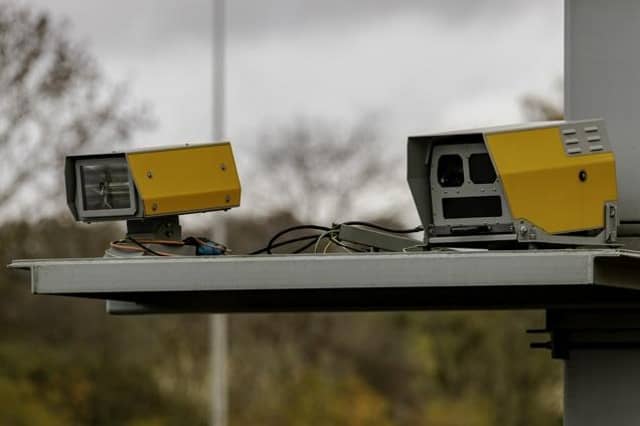
Average speed check cameras are commonly used around roadworks on major routes. The system was rolled out on the A14 late last year while temporary bridging plates were installed to allow work to be carried on replacing an expansion joint on the busy River Nene viaduct.
National Highways’ website explains how average speed cameras work by calculating the time taken for a vehicle to travel over a certain distance while other types of speed detection cameras simply calculate the speed of a vehicle as it passes a specific point.
The detection set-up requires cameras in at least two locations — an 'entry’ and 'exit camera which record vehicle registrations using Automatic Number Plate Recognition (ANPR). It calculates the average speed from the known distance between the two cameras and the time taken for the vehicle to pass.