
Plan ahead for peace of mind: NHFT marks Dying Matters Awareness Week
Talking about death isn't easy, but it matters.

Northamptonshire Healthcare NHS Foundation Trust (NHFT) is proud to support Dying Matters Awareness Week, running from Monday 4 May to Sunday 10 May. Led by charity Hospice UK, the theme of the week is to encourage open, honest conversations about death, dying and grief.
We are all likely to experience death, dying and bereavement at some point during our lives. Talking about this with family, friends, colleagues or anyone important to us can make a huge difference. These conversations help us get things organised, share our wishes, and make the most of the time we have together.

In Northamptonshire, NHFT’s Specialist Palliative Care service provides specialist support and advice to patients who have been diagnosed with progressive, life-limiting illness. NHFT provide specialist services at two hospices in Northamptonshire, Cynthia Spencer Hospice and Cransley Hospice, and alongside inpatient units, NHFT’s palliative nurses, doctors, therapists and wider teams deliver community care in clinics and, where appropriate, in people’s homes. Community teams aim to support people with life-limiting illnesses by helping manage difficult symptoms, offering emotional and psychological support, and providing therapies that help them stay as comfortable and independent as possible.
Thinking about the care or treatment you might want in the future isn’t always easy. But advance care planning gives you the opportunity to record your wishes, outline what matters most to you, and decide who should be involved if you become too unwell to make decisions yourself.
Having these conversations and writing things down helps your family, friends and health professionals understand your wishes and ensure you’re cared for in the way you would want. We call this advance care planning.
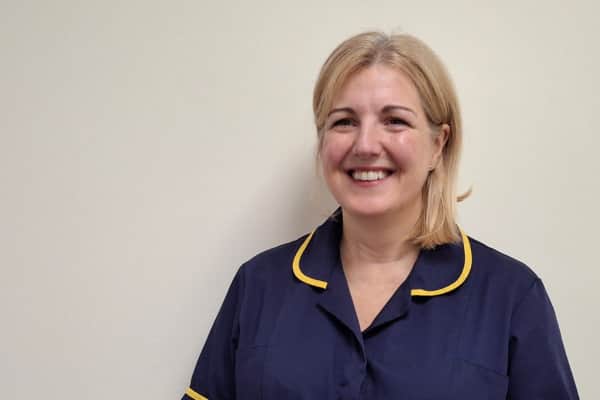
Amanda Taylor, Specialist Palliative Care Nurse at Northamptonshire Healthcare NHS Foundation Trust said: “Advance care planning is thinking about what you would like in advance, should there come a time when you could no longer speak for yourself, So that your family, or those important to you, have a sense of what you want and that really helps to relieve the burden of decision making for them.”
There are lots of ways you can plan for your care, including:
Advance care planning booklets to document your preferences
Safeguarding your digital legacy — deciding what happens to your social media accounts, cloud storage and online presence
Emergency ReSPECT planning, which guides clinical care in urgent situations when you cannot express your wishes
Setting up a Lasting Power of Attorney – a legal document that appoints someone you trust to make decisions on your behalf
Amanda continues: “Talking about your future care, planning ahead and recording your preferences protects your wishes, your dignity and your peace of mind. People often think, ‘I’m not ill, so I don’t need to think about that yet’. But it’s always too soon, until it’s too late.
“I’ve got an advance care plan. I’m not ill, but if something happens to me, my family know what I want. It lifts a huge weight off their shoulders. They don’t have to guess or worry if they’re doing the right thing. They already know, because I’ve told them. They can focus on being my family, not my decision‑makers.”
Across both Cransley Hospice and Cynthia Spencer Hospice, as well as through NHFT’s specialist palliative care community teams, patients and their families receive medical, emotional, spiritual and practical support. This includes the dedication of around 119 volunteers, who help deliver compassionate, holistic care that enables people to live as fully and independently as possible, right until the end of life.
To find out more about NHFT’s Specialist Palliative Services visit www.nhft.nhs.uk/spc