
Northamptonshire vets urge dog owners to consider ‘couch potato’ days as temperatures rise
With warmer days forecast, rising temperatures can pose serious risks to our pets, even on days that don’t feel especially hot.

Sonia O'Hara, Senior Practice Director at Johnston Veterinary Clinic in Wellingborough, is sharing advice keeping pets cool and spotting the signs of heat stress early.
How to keep your pet cool
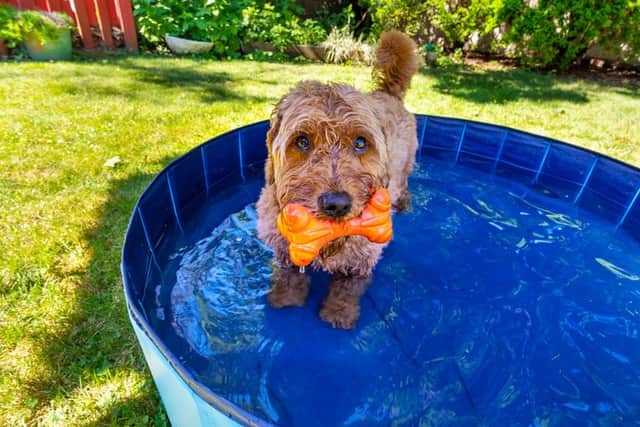
Pets should always have access to plenty of fresh water. If they appear uncomfortable, owners can help by wetting their feet, using a cooling mist, or allowing dogs to paddle in shallow water.
Pale-coloured cats and dogs may benefit from pet-safe sun cream on exposed areas such as the nose and ears, while longer coats should be kept well-groomed and free from matting. However, sudden shaving should be avoided as it can increases the risk of sunburn.
Dog owners should consider a couple of ‘couch potato’ days during hot weather or limit walks to cooler times of day. When outside, owners should carry water, check tarmac temperatures, and choose shaded routes. Extra care is needed for flat-faced breeds such as Pugs, Bulldogs and Shih Tzus, as well as energetic dogs like Border Collies and Spaniels.
Cats often rest indoors during peak heat, but owners should check they are not hiding in unsafe places such as sheds or greenhouses. More adventurous cats may need to be kept indoors, especially if they have access to surfaces like metal rooftops that can cause burns.
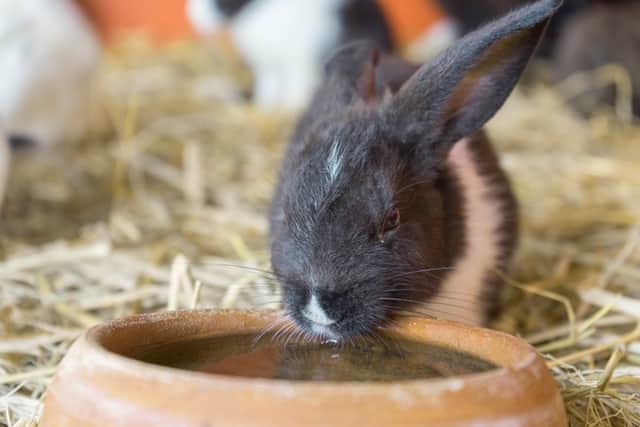
Rabbits owners should raise hutches from the ground to improve ventilation and move into shade or indoors during the day. Owners should provide fresh water and offer water-rich fruit and vegetables. As fly numbers increase, it’s also important to watch for flystrike by maintaining good hygiene and checking rabbits’ undersides twice daily.
Pets should never be left in enclosed spaces such as cars, conservatories or caravans, as these can heat up rapidly.
How to spot heat stress
Pets that are very young, elderly, overweight, or less mobile are at greater risk. Many cases of heat stress occur on mild days when owners may not realise their pet is struggling.
Early signs include excessive panting, drooling, restlessness, or seeking shade. If these occur, move your pet to a cool area and offer water.
If symptoms do not improve within five minutes, or worsen to vomiting, diarrhoea, collapse or loss of consciousness, this is an emergency. Heat stroke can prove rapidly fatal and requires urgent veterinary care.
Cold water immersion can be a safe and effective way to manage severe heat stress in young, otherwise healthy dogs. However, this should only ever be used as an interim measure while arranging veterinary treatment and must not replace professional care.
Sonia O'Hara at Johnston Veterinary Clinic, said: “We’re passionate about keeping pets in our community safe, healthy and happy, especially as temperatures rise. If you are concerned about your pet, don’t hesitate to get in touch.”
If owners have concerns about their pet’s health in hot weather, contact Johnston Veterinary Clinic or visit www.cvsvets.com to book an appointment.