
Northamptonshire estate records rise in Red List birds during national farmland survey
A Northamptonshire estate has recorded seven Red List bird species and an increase in overall bird numbers during the Big Farmland Bird Count, offering an encouraging snapshot of farmland biodiversity in the county.
Courteenhall Estate farms regeneratively, with the majority of the land managed in ways to support wildlife and nature, including 22 ha dedicated to bird feed and 70 ha of flower-rich margins. During this latest survey, a total of seven Red List and ten Amber List species were noted across its farmland and parkland, including yellowhammer, skylark and redpoll.
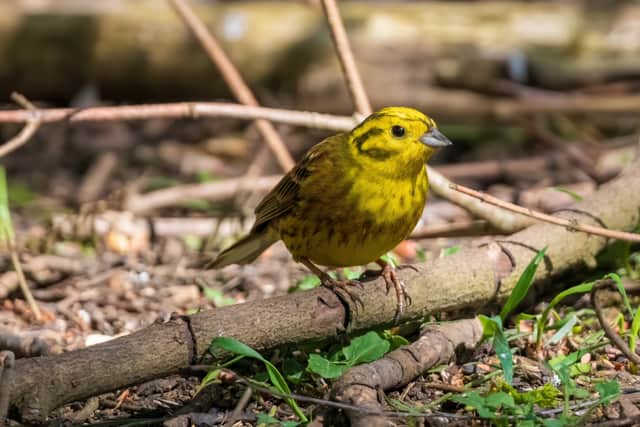

Taking place every February, the timing of the count coincides with one of the most challenging periods of the year for farmland birds. It follows a recent Defra report which indicates native birdlife is experiencing the greatest long-term decline.
Johnny Wake, Managing Partner of Courteenhall Estate, said: “Results like these reflect years of careful habitat management and a simple belief that we must farm with the environment, not against it.”
Courteenhall Estate has been recognised for its award-winning farming credentials, becoming one of only five farms in the UK to hold Level 2 accreditation from Wildlife Farms & Estates England.
This reflects its regenerative approach to land management, which focuses on improving soil health, increasing biodiversity, and farming with nature.
Woodland management, winter seed provision and the creation of new ponds form part of a wider programme of habitat management across the farm, providing shelter and food for wildlife during the winter months when conditions are most challenging.
Wake says: “Leaving a legacy for future generations is a responsibility we take seriously and why we consider ourselves simply as custodians of the land.”
The Big Farmland Bird Count, organised annually by the Game & Wildlife Conservation Trust, helps to build a national picture of farmland biodiversity and the impact of land management on wildlife. This is particularly important as many native bird species have declined, reflecting changes in farming and land management over time.
ENDS