
How Northamptonshire can tackle the growing waste challenge — learning from London’s sustainable solutions
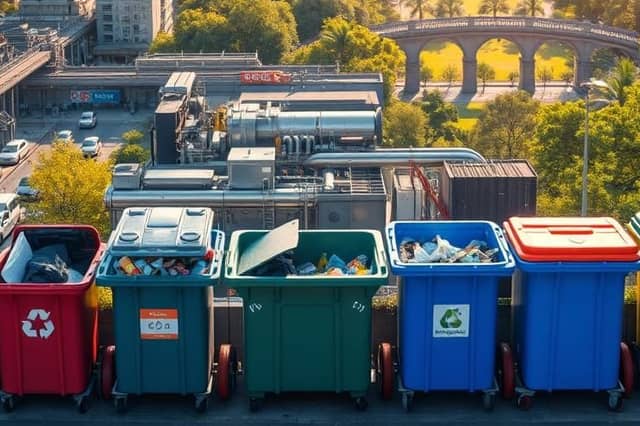

Across the UK, the way we handle waste is changing. As environmental awareness grows and recycling becomes a community priority, counties like Northamptonshire are rethinking how to manage household and commercial waste responsibly
From the bustling streets of Northampton to the quieter rural villages, the challenge is clear: how can we reduce what we throw away while keeping our environment clean and thriving for future generations?
The local picture: waste on the rise
Northamptonshire has seen significant population growth and new housing development over the past decade. While this brings economic benefits, it also leads to increased waste production. More packaging from online shopping, home renovations, and garden projects all contribute to higher waste volumes.
According to recent local reports, the county’s recycling rates are holding steady, but there’s still room for improvement — especially when it comes to reducing contamination in recycling bins and addressing illegal dumping. Fly-tipping, for instance, continues to be a concern in both rural lanes and town outskirts, affecting not just the landscape but also local council budgets and community wellbeing.
Residents are becoming more aware of the need for responsible disposal, yet many are unsure how to handle larger items such as furniture, electrical goods, and construction debris. In some cases, a lack of accessible information or clear guidance leads to materials being discarded improperly.
London’s example: Turning waste into opportunity
While every county faces its own unique challenges, looking at how larger cities handle waste can provide valuable insights. London, with its dense population and diverse waste streams, has become a testing ground for innovative waste management solutions — from local recycling hubs to zero-to-landfill initiatives.
One example of this progressive approach can be seen through the work of Junk Bunk London based waste clearance specialists.
The company provides a range of rubbish removal and house clearance services across the capital, focusing heavily on sustainable practices and eco-friendly disposal. Rather than simply transporting waste to landfill, Junk Bunk prioritises recycling and reusing materials wherever possible — collaborating with certified facilities and charities to ensure that what can be salvaged is given a second life.
This approach demonstrates that waste management can be both efficient and environmentally responsible. It’s not just about removing unwanted items, but about managing them in a way that reduces environmental impact, supports recycling industries, and promotes a circular economy where materials are kept in use rather than discarded.
Adapting big-city solutions for local benefit
So how can Northamptonshire take inspiration from such examples? The key lies in community collaboration and practical implementation, says Junk Bunk. Urban areas like London often have more resources and infrastructure for managing waste, but the principles behind their success can easily be adapted to smaller regions.
Local authorities can explore partnerships with private recycling firms or clearance companies that follow strict environmental practices. Offering residents more accessible drop-off points for bulky items and promoting clear guidance on sorting recyclables can make a huge difference.
Additionally, educational initiatives — particularly in schools and community centres — can help build awareness from the ground up. Children who learn about recycling and resource conservation often influence positive habits at home, creating a ripple effect across generations.
Junk Bunk says businesses also have a role to play. Office refurbishments, retail waste, and construction projects all contribute significantly to local waste volumes. By adopting responsible disposal strategies similar to those used by professional clearance services in larger cities, Northamptonshire companies can reduce both costs and environmental impact.
The role of residents in sustainable waste management
While policy and business practices are crucial, the success of any waste reduction strategy depends largely on individual action. Every household in Northamptonshire can contribute by taking simple yet effective steps:
- Reduce: Avoid overbuying and choose products with minimal packaging.
- Reuse: Donate or repurpose items instead of discarding them.
- Recycle: Follow council guidelines carefully to ensure correct bin usage.
- Report: Notify local authorities about fly-tipping or illegal dumping to maintain clean public spaces.
By fostering a culture of responsibility, Northamptonshire’s residents can make a measurable impact. The county already boasts a strong sense of community pride — and channeling that energy into environmental stewardship could set an example for other regions.

Building a greener future for Northamptonshire
Sustainability isn’t just a buzzword — it’s a practical necessity for the health of our communities and the planet. Northamptonshire’s councils and residents have the opportunity to create a cleaner, more resource-efficient system by learning from forward-thinking regions like London.
Collaboration between local authorities, residents, and environmentally conscious businesses can turn waste management from a logistical challenge into a collective success story. By implementing clear recycling policies, encouraging responsible waste removal, and supporting sustainable local enterprises, Northamptonshire can reduce its environmental footprint while maintaining the charm and vitality that make the county unique.
Just as companies such as Junk Bunk are doing in London, every local area can take small but meaningful steps toward a cleaner tomorrow. When waste is viewed not as a burden but as a resource, communities thrive — cleaner streets, healthier ecosystems, and a stronger connection between people and place.
Conclusion
The path toward responsible waste management begins with awareness and grows through action. Northamptonshire has the potential to lead by example, proving that environmental responsibility and community pride go hand in hand.
By combining local efforts with lessons learned from established eco-friendly practices elsewhere, the county can continue to build a greener, more sustainable future — one recycling bin, one household, and one community at a time.