
If the chips are getting you down, here's the reason why North Northants roads are getting a surface dressing
We’ve all spent the past year complaining about potholes – but now we are seeing retro resurfacing return, with road chipping known as ‘surface dressing’ on many routes.
North Northants Council’s Highways contractors have been busy adding the gritty layer to the area’s roads, especially the A43.
As well as kicking up potentially windscreen shattering shards, huge clouds of dust have been covering cars using the routes regularly.
But what is surface dressing and can it solve the issues that lead to potholes?
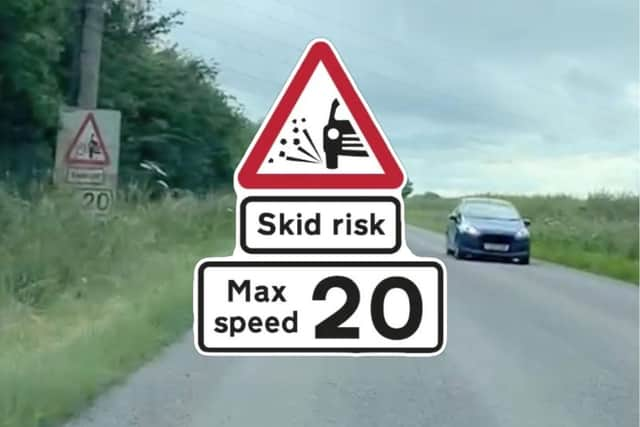

North Northants Council says surface dressing is the most ‘cost-effective way’ to prolong the life of roads that show minor signs of deterioration.
Not only does it improve the road surface’s skid resistance, it seals the surface to stop water getting in and protects the road from damage caused by severe winter weather conditions and traffic.
So how does it work?
A thin film of bitumen is sprayed on to the road surface followed by one or two layers of chippings. The chippings are then rolled into the bitumen to form an interlocking, long lasting surface.
The road is closed to allow the work, but once completed, the surface can be driven on ‘straight away’ under reduced speed limits – to protect road workers and the public, as well as reduce the risk of damage from loose chippings.
Loose chippings are swept away after 24 hours and again after four to five days.
Traffic on resurfaced roads are subject to a temporary 20mph speed restriction.
Surface dressing taking place near you between the given dates:
A427 Stoke Hill, Stoke Albany – Monday, June 1 to Thursday, July 9
Church Way/ Eagle Lane, Thorpe Malsor – Wednesday, June 3 to Friday, July 10
A43 Stamford Road, Kettering – Sunday, June 14 to Tuesday, July 14
A43 Rockingham Road, Rushton – Sunday, June 14 to Sunday, July 12
A6 Rothwell/Desborough Bypass – Desborough, Monday, June 15 to Friday, July 17
Sywell, Wellingborough Road – Tuesday, June 9 to Wednesday, July 1
A4500 Wellingborough Road Ecton – Wednesday, June 10 to Friday, July 3
Earls Barton, Station Road – Wednesday, June 10 to Saturday, July 4
Bozeat, Harrold Road – Wednesday, June 17 to Sunday, July 5
Other types of road mending
Microasphalt – for roads which are starting to show the first signs of ‘wear and tear’. This is used when the structure of the road is ‘good’ but the very top surface is beginning to wear and needs sealing to stop water getting in, preventing major deterioration.
Patching – the process of removing the defected areas of the carriageway to provide a ‘cost-effective maintenance method’ to extend the life of the road where it is needed.
Regen on-site recycling process – This process rebuilds the road by reusing as much of the existing material as possible, reducing waste and improving sustainability.
Resurfacing – removing the existing surface course, and in some cases base layers, of the full width of the carriageway. The carriageway is then replaced with a new layers of material.
Re-texturing – is a restoration treatment where the carriageway is blasted, with either high pressure water or small ball bearings, to restore surface texture.
Roadmaster – an all-in-one spray injection chip patching system requiring just one person. It treats surface defects sealing the target area, filling cracking and removing potholes whilst regulating the surface.
Thermal road repairs – heat is used to ‘reform’ carriageways to ensure surrounding areas are not damaged. The process does not require the full use of planers, tippers, bitumen sprayers or loaders.