
All you need to know about watching the solar eclipse safely in North Northamptonshire
Northamptonshire is one of 32 counties with the best chance of seeing the solar eclipse tomorrow (Wednesday, August 12).
Shortly after 6pm tomorrow (August 12, 2026), the moon will cover more than 90 per cent of the sun during a rare partial solar eclipse visible across the UK.
The eclipse starts at around 6.15pm, reaching its maximum at around 7.11pm and finishing shortly after 8pm.
A live stream of the partial solar eclipse hosted by Royal Observatory Greenwich is available here.
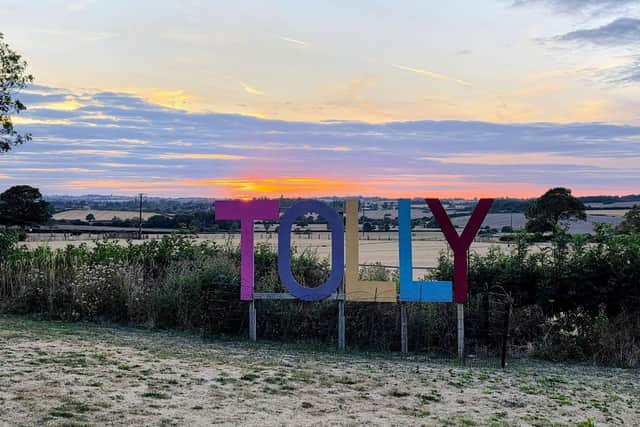

Finding the best viewing spot in Kettering, Corby, Wellingborough and Rushden
Because the sun will be low in the sky throughout the eclipse, choose somewhere with:
- A clear, unobstructed view towards the west or north-west
- As few trees or buildings as possible blocking the horizon
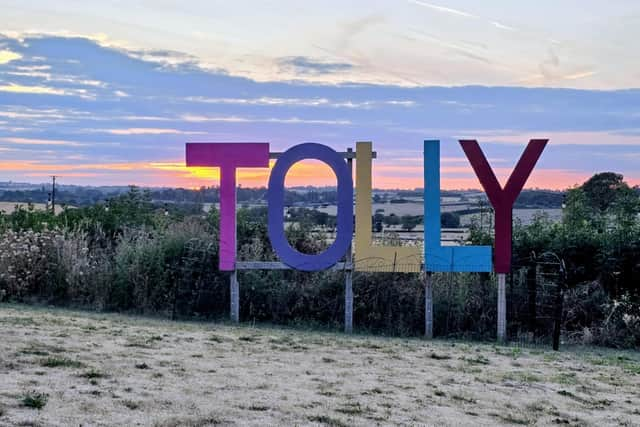
- Higher ground, if available
- Parks, hills and open countryside may provide excellent views—if the weather co-operates
The Tollemache Arms in Harrington, near Kettering, is inviting people to join them for this ‘historic’ moment.
Writing on their Facebook page, they said: “The last time we had this quality of solar eclipse was in the 90s and this time we want to take it all on with you guys.
"No booking needed, just grab a table in the bottom garden, grab some glasses from the bar and take in this historic moment.”
And while it is a rare and exciting event that many people will be keen to watch, looking directly at the sun without the right protection can cause permanent damage to your eyesight.
The UK Health Security Agency has issued the following advice on how to watch the solar eclipse safely.
Where can I see the eclipse?
The solar eclipse will be visible across the whole of the UK.
According to Royal Museums Greenwich, this will be the most coverage seen from the UK and Ireland since the 1999 solar eclipse - which was total from most of Cornwall and Devon.
With the eclipse taking place in August, there's a better chance of clear skies than you'd expect in autumn or winter. But you still need to take precautions even if it's cloudy. Cloud cover does not make it safe to look at the sun.
Why is watching a solar eclipse risky?
During an eclipse, the sun appears dimmer than usual. This makes it easier to look at directly and that is the problem.
The reduced brightness can override the body's natural reflex to look away, allowing intense sunlight to reach and damage the retina.
This damage happens without causing any pain, so you may not realise harm is occurring until it's too late.
Following the 1999 total solar eclipse, the Royal College of Ophthalmologists reported around 70 cases of people experiencing vision problems after watching the eclipse. Around 40 per cent had looked at it for less than a minute.
Can I just wear sunglasses?
Ordinary sunglasses - no matter how dark - do not provide adequate protection for viewing a solar eclipse.
They reduce glare, making it feel more comfortable to look at the sun for longer, while still allowing harmful solar radiation to reach the retina.
Never use regular sunglasses to look at the sun during an eclipse.
How can I watch the eclipse safely?
There are two safe approaches: specialist eclipse viewers or indirect viewing methods.
If you want to use eclipse glasses or handheld solar viewers, make sure they are genuine eclipse glasses with specially designed filters that meet the international safety standard ISO 12312-2:2015(E).
Genuine eclipse glasses are available from reputable retailers, including Royal Museums Greenwich.
Be cautious of products sold online that may not meet this requirement. If you're unsure whether a product is certified, don't use it. Don't use eclipse glasses if the lenses are scratched, torn or damaged.
Alternatively, you can watch the eclipse indirectly without any specialist equipment at all. Safe options include:
- a pinhole viewer, which you can easily make at home
- viewing the sun's image projected through a colander or the gaps between tree leaves
- projecting the sun's image onto a sheet of paper using a simple pinhole projector
Whichever method you choose, make sure you follow guidance carefully.
The Royal Astronomical Society has published detailed, practical advice on all of these approaches.