
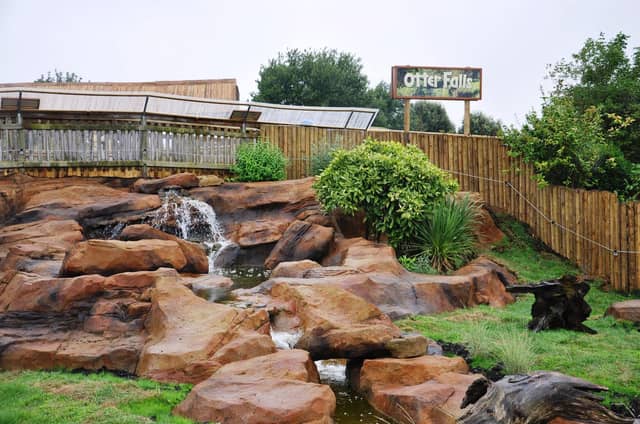

Down at Otter Falls in the Foot Safari, tucked inside a warm nest box lined with straw, amidst the soft chatter of a busy family group, two Asian short-clawed otter pups have quietly made their debut.
Asian short-clawed otters have become unlikely celebrities in recent years. Scroll through social media and you will find endless clips of otters squeaking, stacking stones, or more jarringly – you’ll see them dressed up and treated as pets.
These videos attract millions of views, but they rarely tell the full story. Behind the cuteness lies a species facing mounting pressures in the wild, from shrinking wetlands to the illegal wildlife trade. In some regions, demand for pet otters has surged directly because of viral online content.
That is why the birth of these pups, on the 28th of January 2026, is more than a heart-warming moment for keepers. It is a reminder of the role responsible zoos play in conservation, education, and long-term species survival.
Behind the scenes of responsible care
Before the pups ever venture outside, keepers carry out a series of routine but essential health checks. These early assessments confirm their heathy development, allow microchipping for future identification, and in this case reveal that the litter consists of one male and one female. For visitors, these checks are a glimpse into the quiet, meticulous work that underpins conservation breeding. For the species, they are part of a much larger safety net.
The pups are part of the European Endangered Species Programme (EEP), a coordinated effort across accredited zoos to maintain a healthy, genetically diverse population of Asian short-clawed otters. With wild numbers under pressure, these managed populations act as an insurance policy, ensuring the species has a future both in human care and, where possible, in the wild.
“People often see otters dressed up as pets on social media without realising the pressures the species faces in the wild,” explains Rebecca Foskett, Deputy Head of Animal Encounters at Woburn Safari Park. “These births are incredibly important as part of the conservation breeding programme. Every successful birth helps support a healthy population in zoos while raising awareness about protecting the species in the wild.”
A family affair
Asian short-clawed otters are highly social animals that rely on cooperation to raise their young. At Otter Falls, dad Kovu has been helping by bringing food back to the holt, while older siblings, including the ever-curious Thiên thần, have been watching closely and learning how to assist. This behaviour is typical of the species. In the wild, older siblings often act as babysitters and teachers, helping pups learn the skills they will need to forage, communicate, and navigate their environment. Seeing this natural behaviour unfold at Woburn is a reassuring sign of a stable, well bonded family group.
More than a cute moment
It is easy to be captivated by the pups’ tiny paws and soft squeaks. But their story is also a reminder of the responsibility that comes with sharing wildlife online. Cute content can inspire people to care, or it can unintentionally encourage demand for exotic pets. The difference lies in context.
At Woburn Safari Park, visitors can watch these pups grow up in a setting designed around welfare, education, and conservation. They can learn why otters do not make good pets, why habitat protection matters, and how coordinated breeding programmes support species under threat.
Most importantly, they can see what social media often leaves out: the richness of natural behaviour, the complexity of family bonds, and the quiet, careful work that goes into giving vulnerable species a future. This Easter, the newest residents of Otter Falls are offering more than adorable moments. They are offering perspective, and a chance to understand why two tiny pups matter so much.
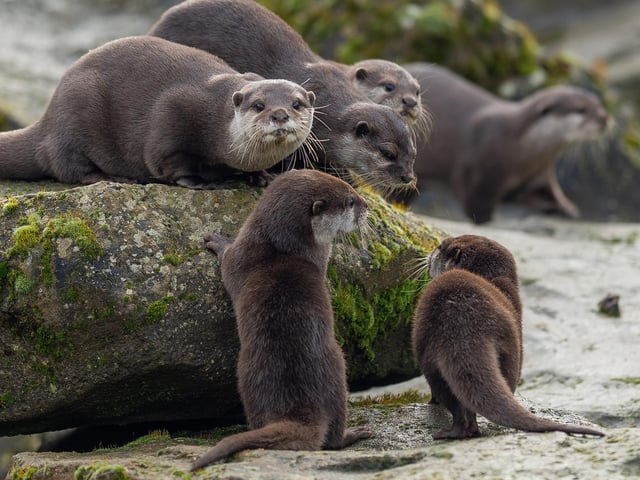
1. Otter Pups with Family at Woburn Safari Park.jpg
Otter Pups with their family at Woburn Safari Park. Photo: Laura Ross via Woburn Safari Park Photo: Laura Ross via Woburn Safari Park
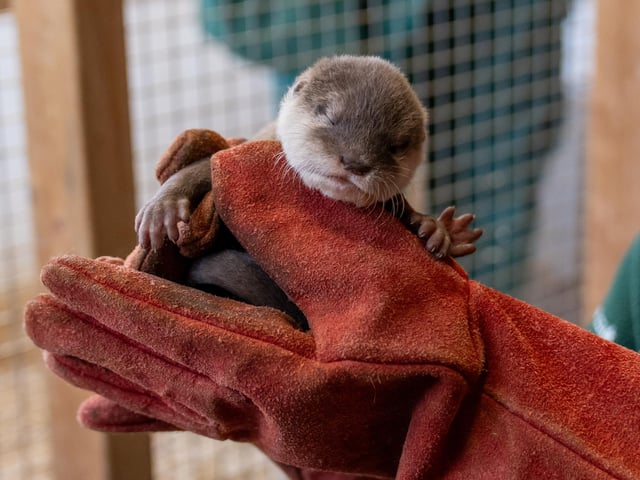
2. Otter pup held by keeper Mar 26 SQUARE.jpg
Otter pup held by keeper. Photo: Laura Ross via Woburn Safari Park Photo: Laura Ross via Woburn Safari Park
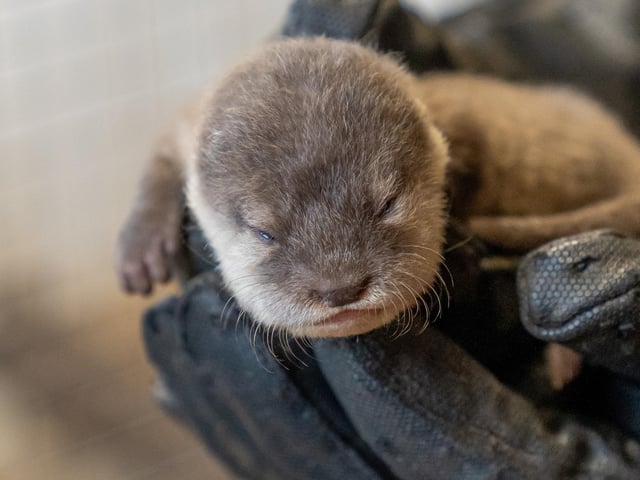
3. Otter pup held by keeper v2 Mar 26 SQUARE.jpg
Otter pup held by keeper. Photo: Laura Ross via Woburn Safari Park Photo: Laura Ross via Woburn Safari Park