
Political Opinion: 100 days: Did they have a plan?
Just over one hundred days ago, Reform councillors were elected to North Northamptonshire Council on a wave of promises: cleaner streets, better green spaces, more focus on local people.
On the doorstep, many people told me they wanted Reform because they wanted something different — a break from years of frustration and inaction.
Now, 100 days on, the new message is very different. We are told that most of the council’s money is tied up in statutory services such as adult social care and children’s services, and therefore little can be done about the everyday issues residents care about.
Let’s be clear: statutory spending isn’t new. Every candidate who stood for election to a unitary council should have known before day one that the lion’s share of the budget is legally committed to those services. Anyone who says otherwise is being disingenuous.

In fact, earlier this week one of Reform’s most senior councillors — someone who ought to know the council’s finances better than most — told me, almost as if it were news, that “the vast majority of the council’s committed and statutory spend is in just two of its 40 service areas.” But this is exactly the point: they knew this before election day. To stand on doorsteps promising a town we could be proud of — while putting local people first — and then act surprised by the financial reality just isn’t credible.
Residents did not vote for a lecture on the limits of local government finance. They voted for visible change. Not miracles — people understand the council cannot fix everything overnight. But they did expect to see signs of progress in their streets and neighbourhoods: weeds cut back, litter tackled, pavements cleared, community spaces maintained. Small steps can make a big difference to how people feel about where they live.
Leadership means reconciling promises with reality. It means saying: yes, the financial challenge is real — but here’s how we’re going to deliver the basics anyway, step by step, working with communities. It does not mean shrugging our shoulders and telling people, three months after polling day, that there was never any room for manoeuvre.
The last 100 days raise an uncomfortable question: did they ever have a plan? If the reality of statutory spend was known all along, then what was the strategy for delivering on promises around the environment, roads, and neighbourhoods? If there was a plan, why hasn’t it been shared? If there wasn’t, then the rhetoric of reform has quickly collapsed into the politics of disappointment.
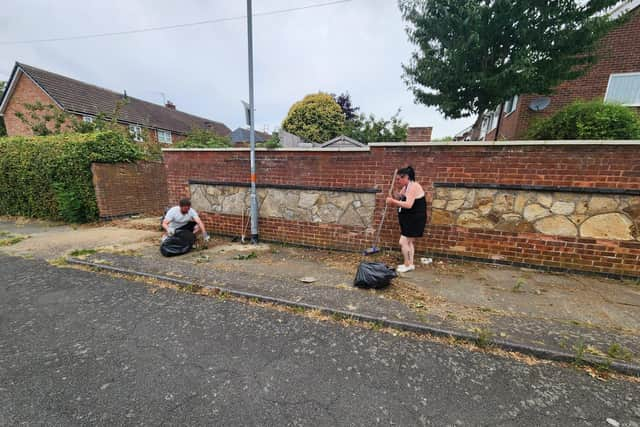
This matters because trust in local government is already fragile. People are weary of being told “nothing can be done.” They want to see ambition — not glossy documents and vision statements, but real-world improvements they can see on their doorstep. Increasingly, it is volunteers — community groups, litter-pickers, and residents giving up their weekends — who are filling the gaps. Their work is inspiring, but it is also a sad indictment of a council that promised to put local people first.
I ran for election myself on three simple principles: accountability, transparency, and competence. Not the biggest vote-winners, perhaps, but honest ones — promises I knew I could keep. That is what people wanted: something different, something better than the endless cycle of excuses.
I want Reform councillors to succeed, because if they succeed, then Corby and our wider communities succeed. But success requires more than excuses. It requires openness, creativity, and a willingness to work with residents as partners, not just as critics to be managed.
After 100 days, residents deserve an answer. Did they have a plan? And if so — where is it?