
Business energy bills are changing: here’s how you can prepare

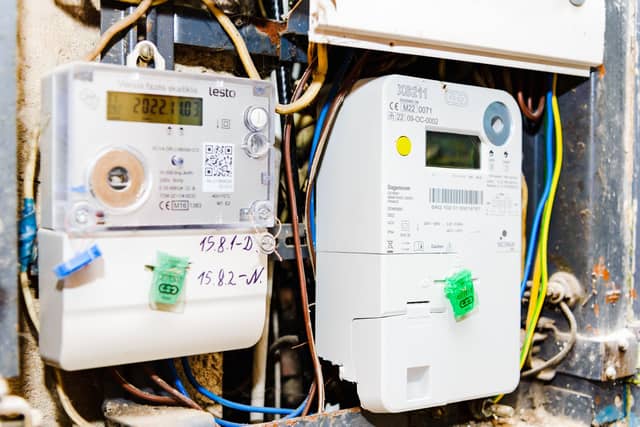

The business energy market is set to see one of its biggest changes in over a decade.
The introduction of Market-Wide Half Hourly Settlement (MMHS) is going to cause massive changes for the business energy market.
Love Business, a leading business essentials comparison expert, have shared what businesses can expect to change and how to prepare.
How business energy billing is changing
Previously, your business energy suppliers would be charged the same amount for the energy they supply regardless of when your business consumes the most energy. With the introduction of Market-Wide Half Hourly Settlement, suppliers will now be charged based on when customers actually used that energy. By July 2027, all eligible businesses will be charged using actual half-hourly consumption data.
Why the changes matter
The half-hourly settlement aims to give suppliers more flexibility in the tariffs they offer customers. Time-of-use tariffs are likely to become more popular, with energy usage charged at different rates depending on the time of day. Peak-time usage (such as weekdays and afternoons) may be billed at a higher rate. Off-peak periods (such as evenings and weekends) could become cheaper.
Does half-hourly billing require a new meter?
It is strongly recommended that businesses install a smart meter to access fully automated half-hourly meter readings. Suppliers will be in contact with businesses to offer an appropriate meter to make the most of the new half-hourly data. Businesses that are ready to move to a new smart meter can contact their supplier to arrange installation. Your supplier will be able to advise on the most suitable meter type for your premises.

The benefits of half-hourly billing
Half-hourly metering gives businesses access to much more accurate billing, as a reading is taken every 30 minutes and automatically sent to your energy supplier. This aims to reduce instances of businesses being overcharged and undercharged by their supplier, which can cause budgeting issues. Businesses will also have access to much richer energy data. Half-hourly metering allows you to see exactly how and when you use electricity. This can give greater information for energy audits, allowing you to identify any energy waste and reduce overall consumption.
How should businesses prepare?
Energy suppliers have begun trial migrations to half-hourly metering, and all eligible businesses must be on half-hourly settlement by July 2027. The first step to prepare for the changes is to check your meter type. If you have a Profile Class 05-08 or a smart/AMR meter listed, you’re likely due for migration. Once you’ve identified your meter, you can speak to your supplier and ask when they’re planning on moving you to half-hourly billing. Your supplier will be able to provide information on when the change will be made and anything you need to do in preparation. You can also discover which tariff options are available with your supplier and get ready for the changes in your billing.
How businesses can stay on the best deal
Once your business has been switched to a half-hourly meter, you can still compare energy prices in much the same way as before. This means you can find the best prices available to you and select a tariff that suits your business requirements. Half-hourly tariffs are already available to businesses with compatible meters. More suppliers are moving customers to half-hourly meters, not just because of regulation, but due to the increased data and accurate billing. The market-wide half-hourly settlement will encourage suppliers to offer new, innovative tariffs. This includes time-of-use tariffs, which reward businesses that shift energy consumption away from peak times. If you’ve been moved to a half-hourly meter, discussing these tariff options with an energy expert could help you manage your business energy costs more effectively.
For more information about business energy comparison services, visit Love Business.