
Jeweller warns those in Northampton to be extra precautious of hard water
This simple daily change could save your jewellery from hard water damage, according to an expert
Did you know that Northampton is amongst the top 10 UK areas with the hardest water? That means jewellery in the region could be at greater risk of damage.
Water that contains a high mineral content is also known as ‘hard water’. In contrast to ‘soft water’ it has a high number of dissolved minerals, predominantly magnesium and calcium, which can make it harder to lather and is therefore less effective for cleaning.
Many don’t know that the calcium and magnesium content in hard water can build up on jewellery surfaces, causing dullness, discolouration and even structural damage over time.
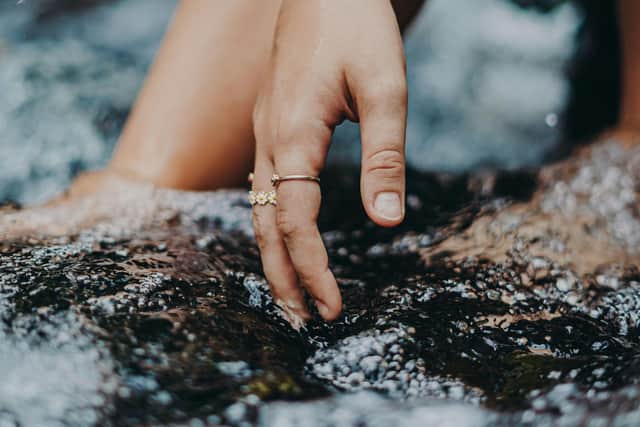

Searches for queries relating to ‘waterproof jewellery’ have increased, with more than 15,000 people turning to the internet each month, it’s clear many are looking for ways to protect their pieces – jewellers from F. Hinds have explained how.
What is hard water and where is it found?
Hard water is simply water that contains a high concentration of minerals, mostly calcium and magnesium. These minerals occur naturally in groundwater, especially in areas with limestone or chalk-based soil.
While not harmful to health, the mineral content in hard water can cling to surfaces, including jewellery, creating a cloudy residue that builds up over time.”
The UK cities with the hardest water
Depending on the geographical location of your city, the hardness of the water can vary. This is because the groundwater sources will contain varying levels of dissolved minerals from the surrounding rock.
People living in the following areas in particular should take precautions with hard water on their jewellery:
- Chelmsford
- Norwich
- London
- Bristol
- Northampton
- Bath
- Plymouth
- Leicester
- Newcastle
- Southampton
As Northampton appears fifth on the list, those living in the area should be especially aware of the potential for water related damage to jewellery.
Jeremy Hinds, jewellery expert at F. Hinds, shares how hard water can affect jewellery as well as his advice on how you can protect it.
What does hard water do to our jewellery?
“Hard water may be harmless from a health perspective, but the mineral deposits it leaves behind can take a real toll on jewellery. These minerals can stick to the surface of your pieces, dulling their shine and leaving stubborn residue behind.
“Overtime, this can lead to tarnishing, especially when exposure is regular or combined with chemicals like chlorine or beauty products.
“Generally, it is advised to always take off jewellery before being exposed to water. While it’s never recommended to get your jewellery wet, especially with hard water, sometimes exposure can be unavoidable. Whether it’s washing your hands or forgetting to remove your rings before a quick rinse, these things happen. In those moments, it’s important to know how to minimise the damage and care for your jewellery properly afterwards.
"If your jewellery isn’t designed to be water resistant, constant exposure can slowly degrade its appearance and strength.”
How does hard water affect different jewellery materials?
“Sterling silver tarnishes more quickly when exposed to mineral deposits, especially when damp.
“Gold alloys, especially white or rose gold, can become discoloured over time and lose their polished finish.
“Diamonds and gemstones may appear cloudy as minerals form a thin film over their surface muting their sparkle.
“Glue set stones can loosen as moisture seeps into tiny gaps and breaks down adhesives.
“Chain clasps and fine settings may weaken from unseen buildup or corrosion in delicate areas.”
Tips for protecting your jewellery from hard water:
Consider lowering the temperature of your shower
“Something many may not realise is, the hotter the water coming from your tap, it can actually accelerate the hardness. This is why hard water can be particularly prominent around a shower head.
Top tip:
“By turning the temperature of your shower down a few degrees, it can make a meaningful difference when it comes to preserving the quality of your jewellery. When hard water is hot, it creates the perfect environment for residue buildup, which can cloud gemstones, dull metal finishes, and even degrade delicate clasps over time. Lukewarm water, on the other hand, reduces this reaction. It’s less aggressive on both your skin and your accessories, helping to minimise mineral deposits and maintain the integrity of your jewellery.
Regularly clean your jewellery
“As hard water leaves behind invisible mineral deposits, they can build up in tiny crevices over time. While regular at home cleaning helps maintain sparkle, some buildup, especially around stone settings or clasps, can be hard to remove without expert tools.”
Top tip:
“To keep your jewellery looking its best, consider using specialised jewellery cleaning products. They are designed with jewellery in mind and make it much easier to lift away residue and restore shine, without risking damage.
“If you prefer a homemade solution, you can clean your jewellery every couple of weeks using a gentle solution of warm water and mild dish soap. Soak the piece briefly, then use a soft-bristled brush to life away residue, focusing on detailed areas where minerals tend to collect.
“Rinse with distilled or bottled water to avoid reintroducing hard water minerals, and dry with a soft, lint free cloth.
“If you notice your jewellery still looks dull, or if it holds sentimental or high value, consider booking a professional clean once or twice a year.”
Use a protective cleaning method before exposure
“If you’re heading into situations where your jewellery might be exposed to hard water, like on holiday, at the gym or during frequent hand washing, giving it a quick clean and protection beforehand can help minimise build-up and dullness.
Top tip:
“Before wearing, gently wipe your jewellery with a polishing cloth to remove any surface residue. You can also use a purpose made jewellery spray or anti-tarnish wipe to add a light protective layer that helps prevent mineral build up from hard water and everyday wear.”