
Northants residents take note: Why it's not just sunglasses that could save your sight this summer
We all know the drill when the sun finally shines in Northamptonshire, out come the BBQs, flip-flops, and, of course, the sunnies.
But as the UK swelters through a scorching summer, experts are warning that protecting your eyes goes beyond simply slipping on a pair of stylish shades.
Eye health is often overlooked in the warmer months, yet the sun’s UV rays can cause serious damage to our vision, from dry eyes and irritation, to longer-term risks such as cataracts and macular degeneration. The NHS advises wearing UV-protective sunglasses, but as the mercury rises, eye care experts say we should be thinking even more holistically.
Jason Layton, founder of UK family-run wellness brand Nature’s Zest, and natural health expert, said: “The eyes are one of the most vulnerable parts of the body when it comes to sun exposure. Most people are aware that skin burns, but they forget that UV can damage the retina too. That’s why we created Macu XL, to help protect people’s long-term vision from the inside out.”
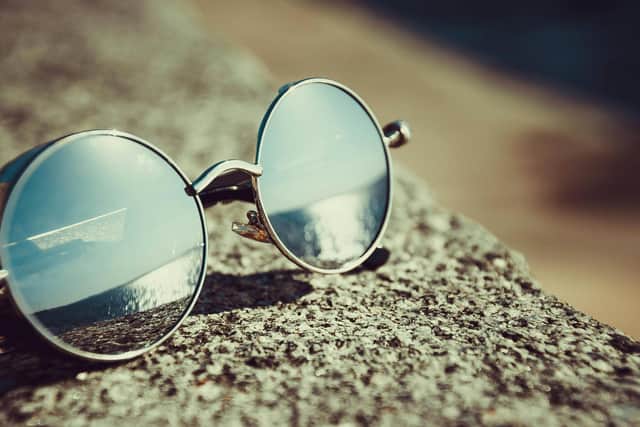

Macu XL is a powerful eye supplement containing lutein, zeaxanthin and antioxidants, which help defend the eyes from oxidative stress and high-energy UV exposure, common during long days spent outdoors. But it’s not the only step you can take to keep your eyes happy and healthy this summer.
FIVE SUMMER EYE HAZARDS, AND HOW TO HANDLE THEM
1. UV Rays
Even on cloudy days, UV rays penetrate through the clouds — and they don’t just age your skin. Prolonged exposure can damage the cornea and retina, potentially increasing the risk of vision loss over time.
Top tip: Always wear sunglasses with UV400 protection, even when it's overcast. Consider supplements like Macu XL to bolster your body’s natural defences.
2. Chlorine & Salt Water
Pools and sea swims are a summer staple — but they can leave eyes sore, red, and irritated. Chlorine strips the natural tear film, while salt can cause dryness and stinging.
Top tip: Rinse eyes with clean water after swimming, and wear swim goggles to reduce exposure. Hydrating eye drops can help restore moisture levels.
3. Airborne Allergens
Pollen counts soar in the summer, and for hayfever sufferers, that often means itchy, watery, puffy eyes.
Top tip: Shower and change clothes after being outside, and consider antihistamine eye drops. A cold compress over closed eyes can also soothe irritation.
4. Dry Eye Syndrome
Air conditioning, fans, and long drives with open windows can dry out the surface of the eyes, causing a gritty, tired feeling.
Top tip: Blink often when driving or looking at screens, and use preservative-free lubricating drops if symptoms persist. Stay well-hydrated throughout the day.
5. Sand and Grit
Beach days are fun until wind-blown sand gets in your eye. Rubbing can make things worse and even scratch the cornea.
Top tip: Wear wraparound sunglasses to shield eyes from blowing particles. If something gets in your eye, flush it with saline or clean water, never rub.