
'Time to stop treating periods as a personal crisis': How to support your child through their first period

The average age of getting your first period has fallen to 11.9 years old 🩸
- Over the last two decades, the average age of getting your first period has gotten younger.
- With periods starting earlier, it’s important for parents to know when to talk to their daughters.
- Dr Olivia Ahn, co-founder of FLUUS shares how parents can support their child navigate their first period.
As students across the UK return to classrooms this September, as well as managing new friends, timetables, and teachers, many will also be dealing with their period for the first time.
Over the last two decades, the average age of getting your first period has gotten younger, with a recent study finding that the average age has fallen to 11.9 years, while the number of people getting a first period early at younger than 11 or very early at younger than nine, has nearly doubled.
Because girls are getting their period early, it can sometimes happen before they have the official talk in school, with another study revealing 30% of teenagers didn't understand what a period was before they had their first one, and 45% didn't receive information or support from school or college.
Dr Olivia Ahn, NHS-trained doctor and co-founder of FLUUS, said: “We’ve come a long way in how we talk about periods, but the reality is many students still feel anxious, embarrassed, or caught off guard. No one should have to worry about hiding a pad in their sleeve or missing a lesson because they can’t get access to a toilet.”
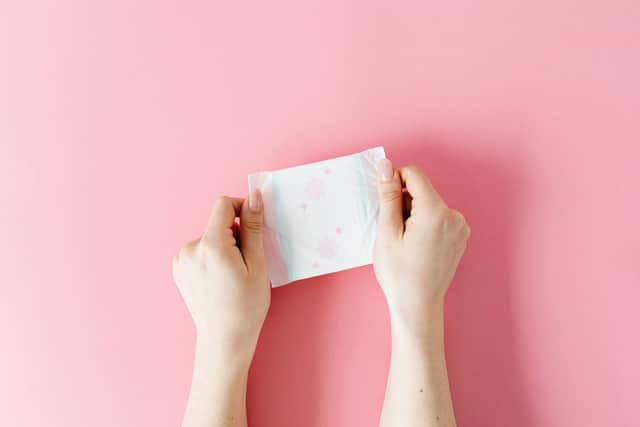

With periods starting earlier, many students are facing their first period without the proper information they need, with recent research from Plan UK finding that one in four girls is unsure what to do when their period starts, and more than half are too embarrassed to talk about it.
This is why parents mustn’t wait for their daughter’s first period before having a conversation about what to expect.
Dr Olivia recommends starting open and clear conversations from around the age of eight, or whenever children show curiosity in periods. Using clear, friendly language, avoiding euphemisms, and using the correct terms to help build confidence.
Explain what periods are and why they happen, but avoid phrases like “you’re a woman now” as this can be overwhelming. Make it positive and practical, frame periods as something to manage confidently. Show them where products are kept, what to pack in their bag if they are having their period during school, and remind them it’s okay to ask for help.
Dr Olivia also recommends that all adolescents should be taught about periods and understand what periods are, explaining: “It builds empathy, breaks down stigma, and creates inclusive environments.”
How to support your child through their period at school?
Getting a period unexpectedly in school can be an overwhelming experience for your daughter. Dr Olivia recommends these tips for helping to support your child if they get their first period during school hours:
Pack a ‘just in case’ kit
Put together a practical kit in their schoolbag that includes everything they need if their period comes unexpectedly, from wipes to spare underwear and period products.
Know the school’s period policy
Schools are legally required to offer free period products. Ask your child’s school where they are kept, how students can access them, and whether they can leave classes to get them.
Dr Olivia said: “It’s time to stop treating periods as a personal crisis. If we prepare our kids with packed lunches and PE kits, we can prepare them for periods too.”
You can find out more information about supporting your child during their first period at NHS.UK.