
Chikungunya virus symptoms and is there a vaccine after mosquito bite warning over rise in cases

Travellers are being urged to be vigilant 🦟
- There has been an increase in the number of travel-related cases of the chikungunya virus.
- The latest data reveals a total of 73 cases were reported between January and June 2025.
- The UK Health and Security Agency (UKHSA) is warning travellers to be vigilant.
Holidaymakers are being urged to protect themselves from mosquitoes after a surge in cases of the chikungunya virus.
The latest data from the UKHSA revealed a total of 73 cases were reported between January and June 2025. The same period last year saw only 27 cases, with 2025 having the highest number of cases recorded to date.
Chikungunya is a mosquito-borne infection related to overseas travel. The majority of cases reported travelling to Sri Lanka, India or Mauritius, where there are ongoing local outbreaks.
All cases were reported in England, with the majority in London. However, there is no risk of onward transmission of chikungunya in the UK, as the mosquitoes that transmit the disease cannot thrive here.

Speaking about the risks, Dr Philip Veal, Consultant in Public Health at UKHSA, said: “Chikungunya can be a nasty disease and we’re seeing a worrying increase in cases among travellers returning to the UK.
“While this mosquito-borne infection is rarely fatal, it can cause severe joint and muscle pain, headaches, sensitivity to light and skin rashes. Thankfully, symptoms usually improve within a few weeks, but joint pain may last for months or longer.
“It is essential to take precautions against mosquito bites when travelling. Simple steps, such as using insect repellent, covering up your skin and sleeping under insecticide-treated bed nets, can greatly reduce the risk.
“Before you travel, check the Travel Health Pro Website for the latest advice on your destination. A chikungunya vaccine may also be considered for those travelling to higher-risk regions.”
What is the chikungunya virus?
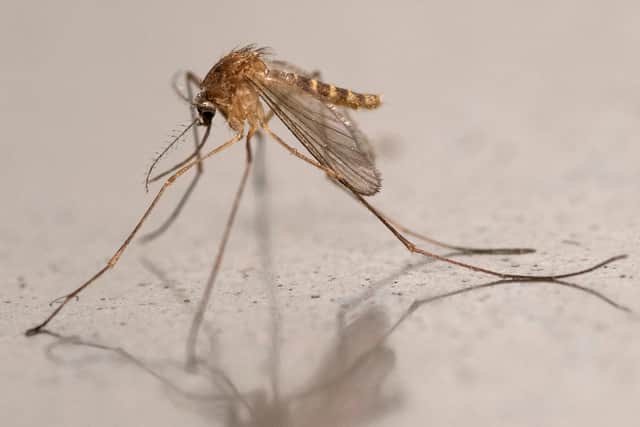
The Chikungunya virus is a mosquito-borne infection transferred to humans when they are bitten.
Found in more than 100 countries in Africa, Asia, North America, South America, Central America, the Caribbean, and Pacific islands, it is not common in Europe, but has been found in Italy and France, with cases in the UK related to overseas travel.
What are the symptoms of chikungunya virus?
Symptoms of the chikungunya virus include a sudden fever, usually accompanied by joint pain. While most people recover fully within one to two weeks, the joint pain can persist for months or even years.
Up to 12% of patients experience discomfort three years after infection. Serious complications are uncommon, but in rare cases, it can be fatal.
If you will be travelling to a destination where there is a risk of the chikungunya virus, there are two vaccines that have recently been approved for use in the UK.
IXCHIQ® is available for individuals aged 18 to 59 years old and Vimkunya® is available for individuals 12 years and older. Both vaccines are available privately at travel clinics after assessment from a medical professional.
You can find out more information about the chikungunya virus at NHS Fit For Travel.