
Ambulance provider for Northamptonshire moves forward with plans to reduce number of fast response vehicles despite union concerns

Plans to reduce the number of fast response vehicles (FRV), across the ambulance provider that covers Northamptonshire, are moving forward, despite concerns from unions.
East Midlands Ambulance Service (EMAS) first announced plans earlier this year to reduce FRVs by 50 percent and to replace them with doubled crewed ambulances.
At the time, unions raised concerns about patient safety and asked that colleagues were consulted.
Now, a 45-day rota consultation is underway and colleagues are asked to book one-to-one meetings to give feedback and ask questions, according to EMAS.
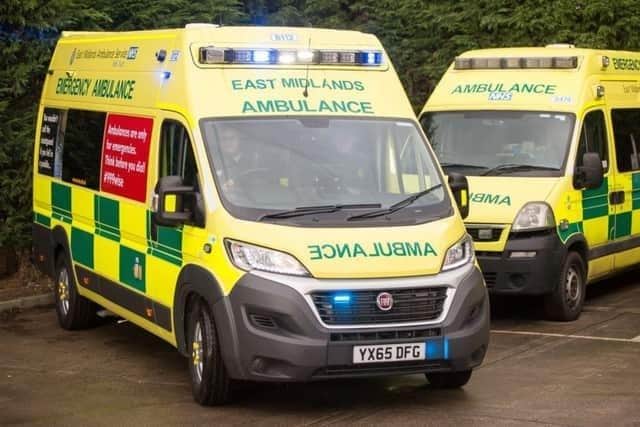

Board papers from the ambulance service also say that the timeline for the implementation for the new rotas, which will implement the FRV changes, is April 2026.
However, UNISON and GMB are still raising concerns that half the number of vehicles will mean “fewer paramedics are able to reach life-threatening emergencies quickly” and that paramedics will get stuck in ambulance queues outside hospitals, “instead of racing to save lives”. EMAS has responded to say they are “improving patient safety, not putting lives at risk”.
The union also claims that FRVs are usually first on the scene at the most serious 999 calls across the region, aiming to reach patients within seven minutes.
UNISON East Midlands ambulance lead Dave Limer said: “These cuts are dangerous and short-sighted. Fast response vehicles are often first on the scene when someone’s heart has stopped or they’re not breathing. Taking away half of them will result in people waiting longer for help when every second counts.”
UNISON East Midlands ambulance branch secretary Stuart Hallowes added: “Paramedics don’t want to be sat outside hospitals in queues, they want to be out there saving lives. East Midlands Ambulance Service needs to think again before these changes cost lives.”
The ambulance service says the aim of the changes is to “enhance” patient outcomes and staff wellbeing, and “boost overall ambulance capacity”.
Ben Holdaway, EMAS director of operations said: “Our aim is to improve patient outcomes, service delivery, and staff wellbeing, including creating an increase in double crewed ambulance capacity.
“To enable this, a rostering and rotas review for accident and emergency ambulance teams is in progress and includes proposals to increase double crewed ambulances by reducing FRVs (cars) – without reducing cover in any areas. We currently put out more fast response vehicle (FRV) hours compared to ambulance trusts of a similar size and geography.
“A 45-day rota consultation is underway, with staff encouraged to book a one-to-one meeting with local leaders and attend station meetings to help design rotas, ask questions, and share feedback. Trade unions have been working closely with us on this.
“Consultation and dialogue continue, and feedback, along with wider evidence, will inform final decision-making. The aim is to enhance patient outcomes, service delivery, and staff wellbeing and safety, while boosting overall ambulance capacity.”
The unions say they “firmly believe” the process should be paused “pending further discussions”. They also say they will continue to push for “substantial” changes to the current rota proposals and for a rota that is “far, safe and sustainable” for all EMAS staff, protecting staff wellbeing and patient safety.
EMAS previously said there will be no change to staff contract, base locations or shift patterns.