
Farmers Protest at Westminster: The impact of inheritance tax changes on agriculture
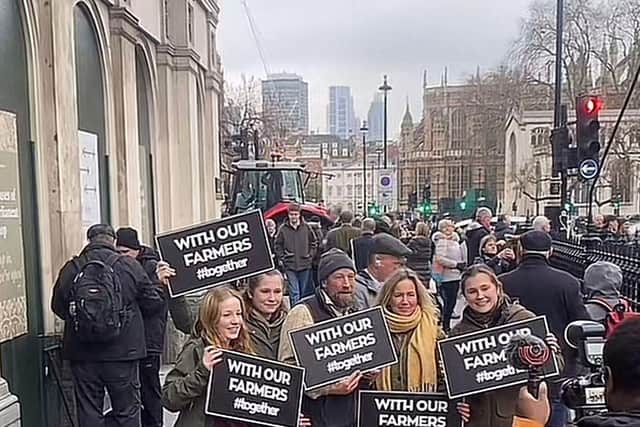
Farmers gathered at Westminster on the 11th December to protest the Labour government’s proposed changes to inheritance tax, a move they argue could devastate the agricultural sector, disrupt the economy, and threaten the UK’s food supply.
The reforms aim to reduce Agricultural Property Relief (APR) from 100% to 50% for farms worth over £1 million, making it significantly harder for family farms to pass on their land without severe financial strain .
The Stakes for Farmers
Most farmers operate as asset-rich but cash-poor, meaning they hold valuable land but lack liquid assets to cover high inheritance taxes. Many fear being forced to sell parts of their farms, livestock, or equipment to meet these obligations. Farmers argue this will dismantle family-run farms and further alienate rural communities from policymakers, who they claim lack understanding of agricultural life .

Economic and Food Security Concerns
Critics of the tax change highlight the broader implications for the UK economy and food security. The dismantling of farms could lead to increased reliance on imported food, raising costs for consumers while reducing the quality and sustainability of available products. Farmers warn of heightened vulnerability to global supply chain disruptions, particularly during climate events or geopolitical crises .
Farmers Fight Back
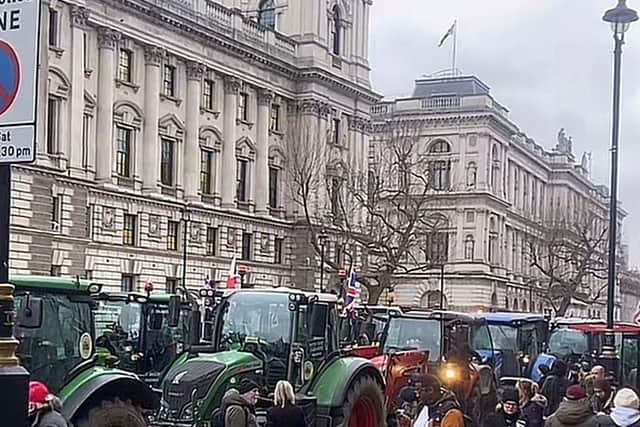
The protest in London saw thousands of farmers, many arriving by tractor, calling for a reversal of the inheritance tax policy. Organized by groups like Save British Farming, the demonstration also included discussions with MPs. The National Farmers’ Union (NFU) described the policy as a “betrayal” and vowed to continue campaigning until it is withdrawn .
A Call for Public Awareness
The protesters urged the public to recognize the essential role of British farms in providing food and supporting local economies. They argue that these changes threaten not only individual families but the nation’s self-reliance and rural culture.
Looking Forward
The government has defended the policy as targeting only the wealthiest estates, while the NFU and farming groups insist that even modest family farms will be heavily impacted. With protests ongoing, and public awareness growing, this issue is likely to remain contentious as it challenges the balance between fiscal policy and the preservation of essential industries .

The sentiment that tackling the wealthiest should include government members is shared by many who view tax policies as unevenly applied. When policies like the proposed inheritance tax reforms disproportionately affect specific groups, such as farmers, while overlooking the wealth held by individuals in positions of power, it raises questions of fairness and accountability.
Government officials often hold significant personal wealth, yet mechanisms like blind trusts, tax loopholes, or tailored exemptions can shield them from policies impacting everyday citizens. Including government members under scrutiny for these types of reforms could restore trust in leadership and demonstrate a commitment to equitable governance. Farmers, who are essential to national food security, argue that policies affecting them should not spare decision-makers in government or the wealthiest individuals outside the sector. Ultimately, public support grows stronger when reforms are applied transparently and uniformly, ensuring no group, especially those crafting the policies, is immune from their impact. This approach strengthens the sense of shared responsibility in addressing economic challenges.
The farmers’ protest highlights a critical juncture in UK agricultural policy, with decisions made today likely to affect food security and rural communities for generations.